


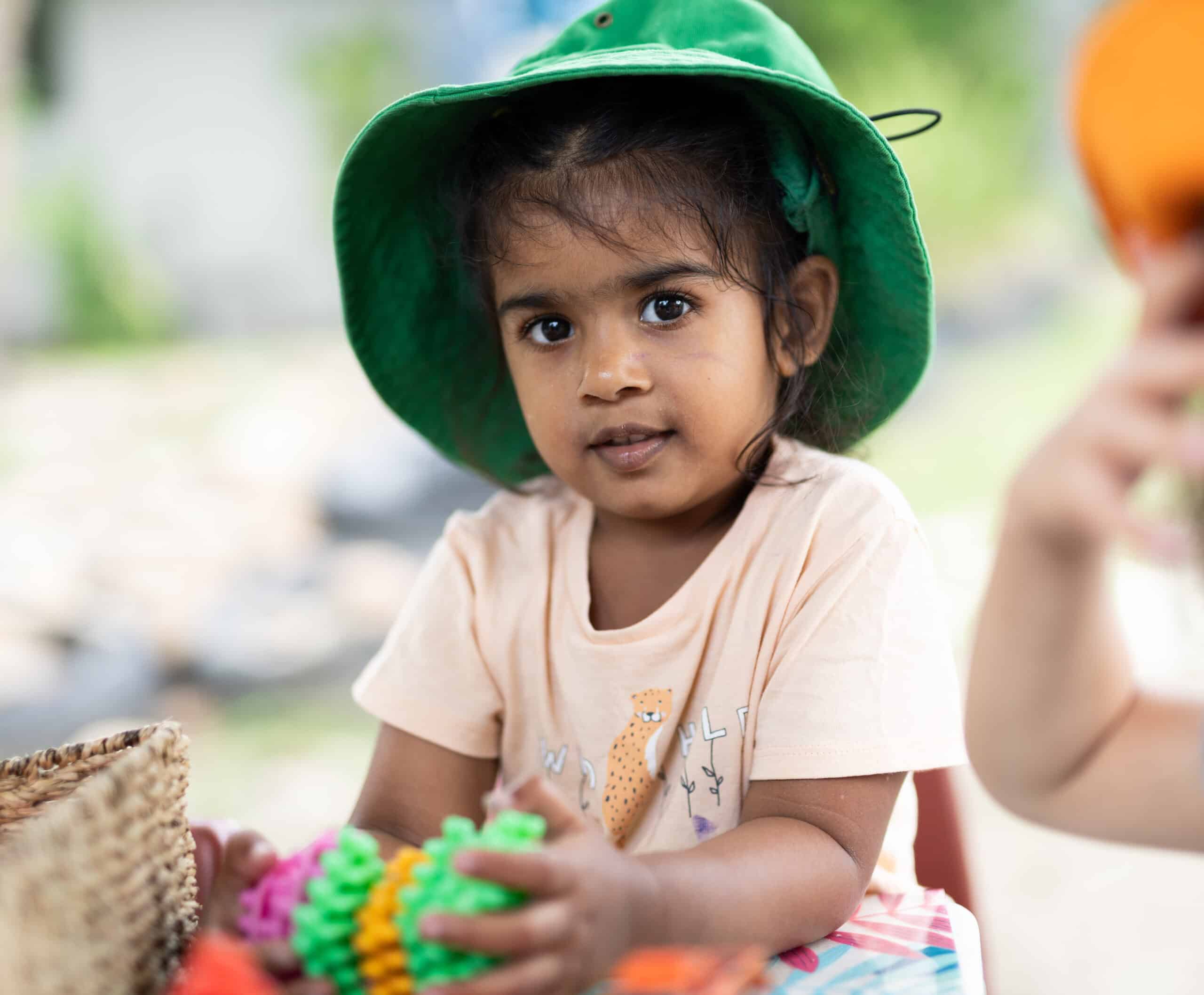

If you’re parenting a toddler or preschooler, chances are you’ve seen big feelings arrive fast and loud, sometimes over something that feels very small. Tears over the wrong cup. Anger when it’s time to leave the park. A meltdown just as you’re heading out the door.
These moments can be exhausting, confusing, and even worrying. But here’s the reassuring truth: big feelings are a normal and healthy part of early childhood development.
At Milestones Early Learning, we often remind families that big emotions don’t mean something is wrong. More often, they’re a sign that important learning is happening, and that children need calm, supportive adults to help them through it.
What Do We Mean by “Big Feelings”?
Big feelings are strong emotional responses that young children don’t yet know how to manage on their own. These can include:
- Frustration
- Anger
- Excitement
- Anxiety
- Disappointment
- Overwhelm
For children aged 1-5 years, emotions often arrive before language, impulse control, or problem-solving skills. This means feelings are expressed through behaviour - crying, shouting, withdrawing, or refusing to cooperate.
According to Raising Children Network, big emotional reactions are common in the toddler and preschool years because children’s brains are still developing the skills needed to regulate emotions and cope with change.
What’s Normal for Toddlers (1-3 Years)?
Toddlers are learning that they are their own person, with opinions, preferences, and a growing sense of independence, but without the skills to manage disappointment or frustration calmly.
At this age, it’s normal to see:
- Sudden tantrums
- Difficulty waiting or sharing
- Big reactions to transitions (leaving the house, bedtime, mealtimes)
- Strong attachment to routines and familiar people
Developmentally, toddlers rely on trusted adults to help them borrow calm until they can regulate emotions themselves.
What’s Normal for Preschoolers (3-5 Years)?
Preschoolers have more language and independence, but emotional regulation is still very much a work in progress.
You might notice:
- Big feelings around friendships, fairness, or being left out
- Anxiety about new situations or changes
- Emotional fatigue at the end of the day
- Strong reactions even when they “know the rules”
The Australian Institute of Family Studies explains that emotional self-regulation develops gradually throughout early childhood and continues well into the primary school years.
Why Big Feelings Often Appear During Learning
Big emotions often show up at the same time as growth. Learning to share, coping with disappointment, navigating friendships, and adjusting to change can all feel overwhelming for young children.
This is why emotional moments often happen when children are:
- Learning new social skills
- Becoming more independent
- Managing expectations
- Experiencing unfamiliar situations
The Early Years Learning Framework recognises emotional wellbeing as central to learning, highlighting the importance of children feeling safe, supported, and understood.
When children experience big feelings with support, they’re building the foundations for resilience, empathy, and self-confidence.
How Milestones Supports Children Through Big Emotions
At Milestones Early Learning, emotional safety is a core part of our Lifelong Learning Curriculum.
Our educators are trained to:
- Respond calmly and predictably to emotional moments
- Acknowledge children’s feelings before guiding behaviour
- Help children name emotions in age-appropriate ways
- Create consistent routines that support emotional regulation
- Work closely with families to ensure continuity between home and care
Rather than rushing children through their emotions, we support them through them, helping children feel safe, understood, and ready to learn.
You can learn more about how emotional wellbeing is embedded into our curriculum here.
When Might Families Seek Extra Support?
While big feelings are a normal part of development, it’s okay to seek guidance if:
- Emotional outbursts are becoming more intense or frequent over time
- Your child seems withdrawn or highly anxious for extended periods
- Behaviour is significantly affecting daily life
- You’re feeling overwhelmed or unsure how to respond
Your child’s educators are a great place to start - we’re here to support families, not judge them.
You’re Not Failing, You’re Parenting
If you’re in the thick of big feelings at home, it’s okay to admit that it’s hard. Supporting emotional development isn’t about getting it right every time, it’s about showing up, staying connected, and knowing you don’t have to do it alone.
At Milestones, we walk alongside families during these early years, helping children build emotional skills that support learning, friendships, and confidence for life.
If you’d like to see how we support emotional wellbeing in practice, we’d love to welcome you for a tour.