


Struggling With Your Child’s Sleep? Join a Free SleepBaker Workshop at Milestones
It’s 2am. You’ve done the water, the cuddle, the “one more song.” You’re tired in a way that sleep doesn’t seem to fix.
If that’s you, you’re not doing anything wrong. Sleep struggles between birth and age eight are very common. Healthdirect says more than 1 in 3 children have a sleep problem.
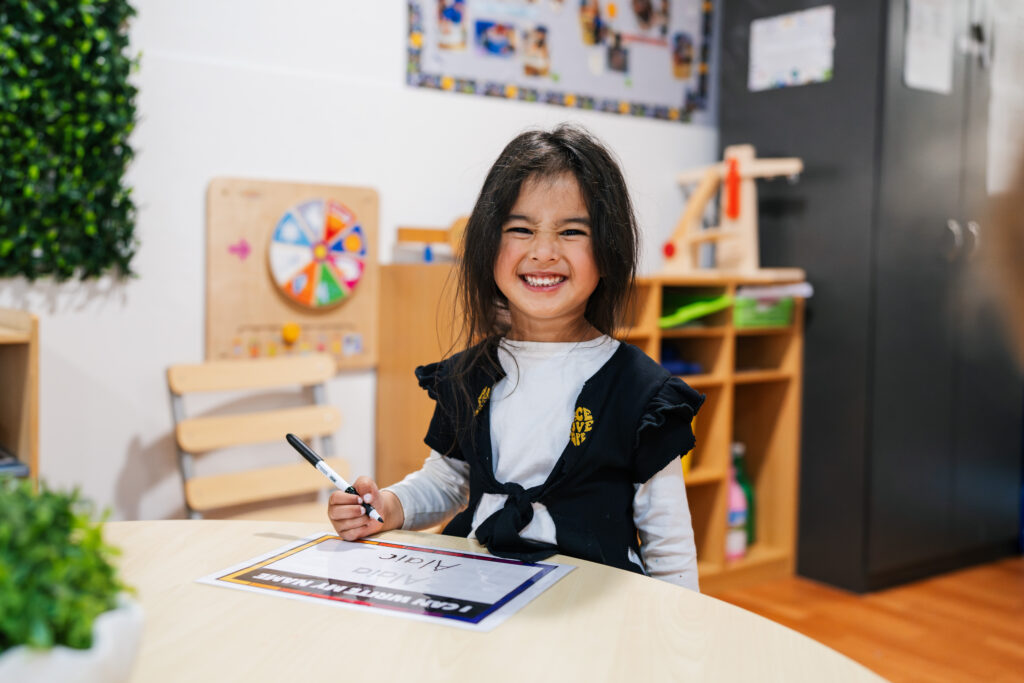
Two Years of Kindergarten: What the Research Really Shows
Deciding when your child should start school is one of those choices that can feel bigger than it should. Is one year of kindergarten or preschool enough? Would a second year help them settle in with more confidence? For many Australian families, the answer increasingly points to yes, and a growing body of research explains why.
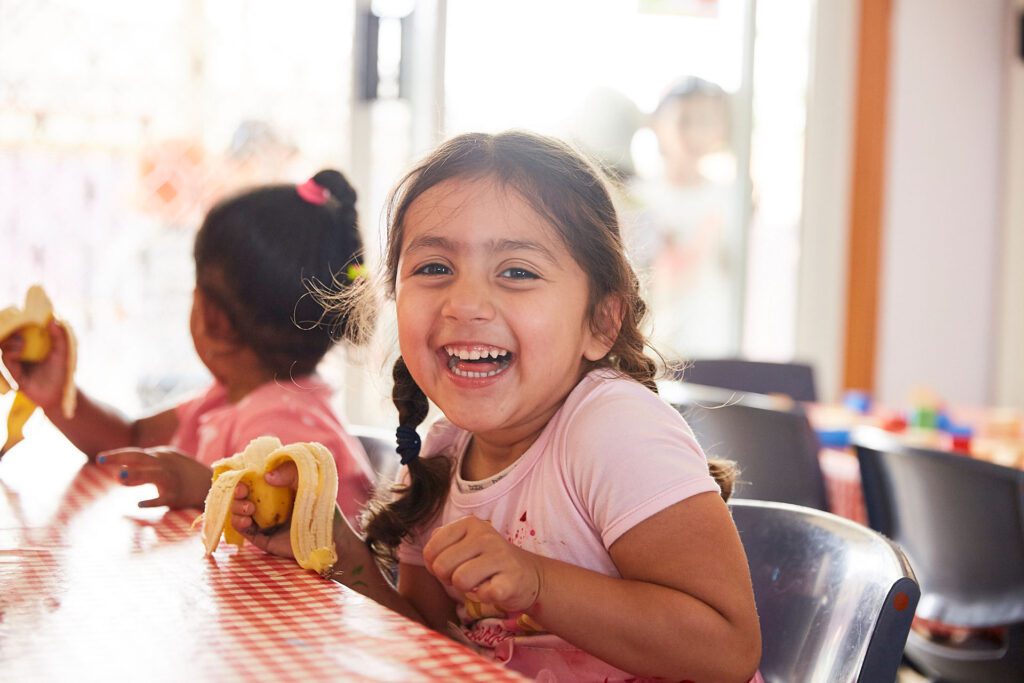
Why We Don’t Make Kids Finish Their Plate (And What We Do Instead)
“Three more bites.” “Just try it.” “You can’t have dessert until you finish your vegetables.”
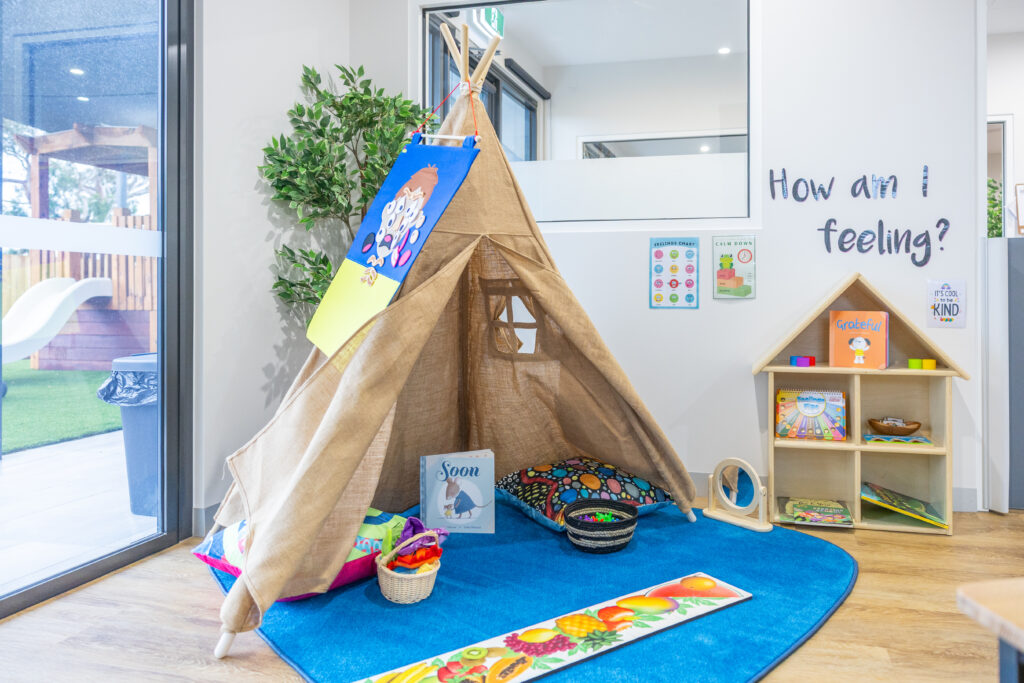
Book Week 2026: Why Stories Are the Secret to School Readiness
Book Week 2026 runs from Saturday 22 August to Friday 28 August, and this year’s theme – “Symphony of Stories” – is a reminder of just how many different voices and ideas live inside a good book. At Milestones, we love the dress-ups and the storytelling corners. But Book Week is also a great moment to talk about something bigger – just how much a shared story does for a young child’s development.
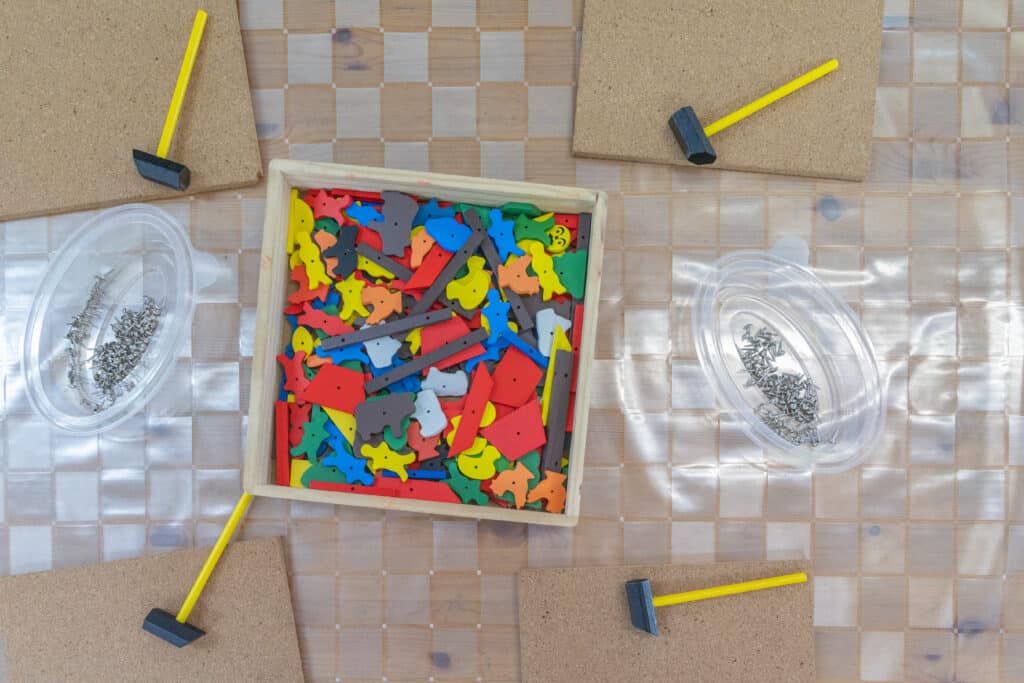
National Science Week 2026: The Everyday Wonder That Grows Little Scientists
Last week, at one Milestones centre, the water table caused a genuine scientific dispute. Two children were convinced their leaf-boats would float. A third wasn’t so sure. What followed was ten minutes of testing, re-testing, and fairly serious debate about whose boat was “winning.”
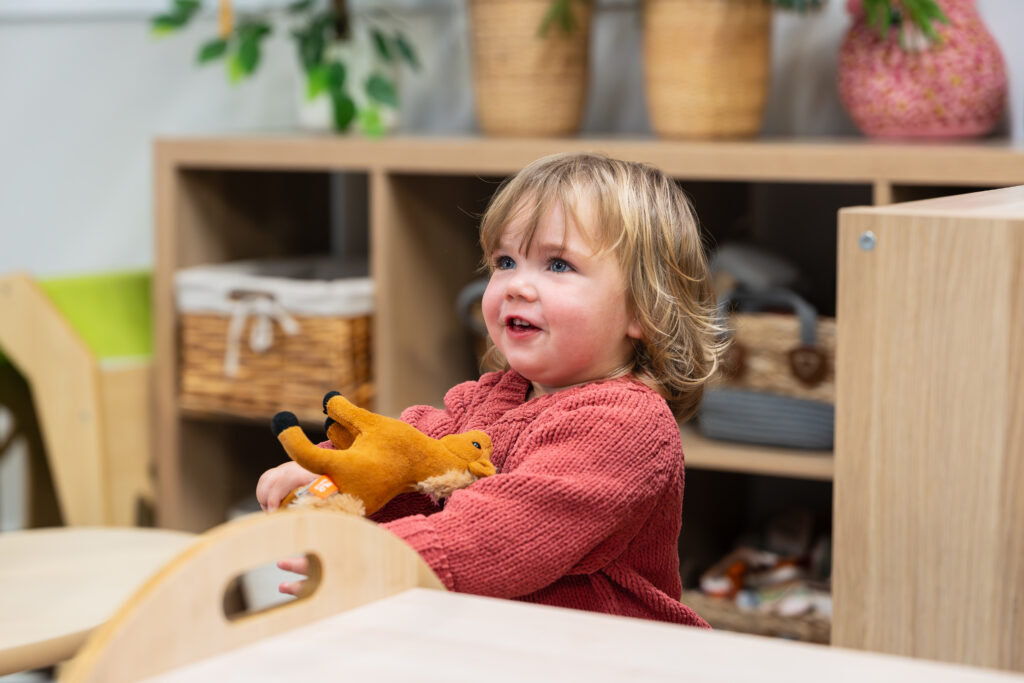
Sleeping Through the Night, Then Suddenly Not? Understanding Sleep Regressions
One week your baby is settling beautifully and sleeping in long, predictable stretches. The next, they’re waking every hour, refusing naps, or crying at bedtime for no obvious reason.
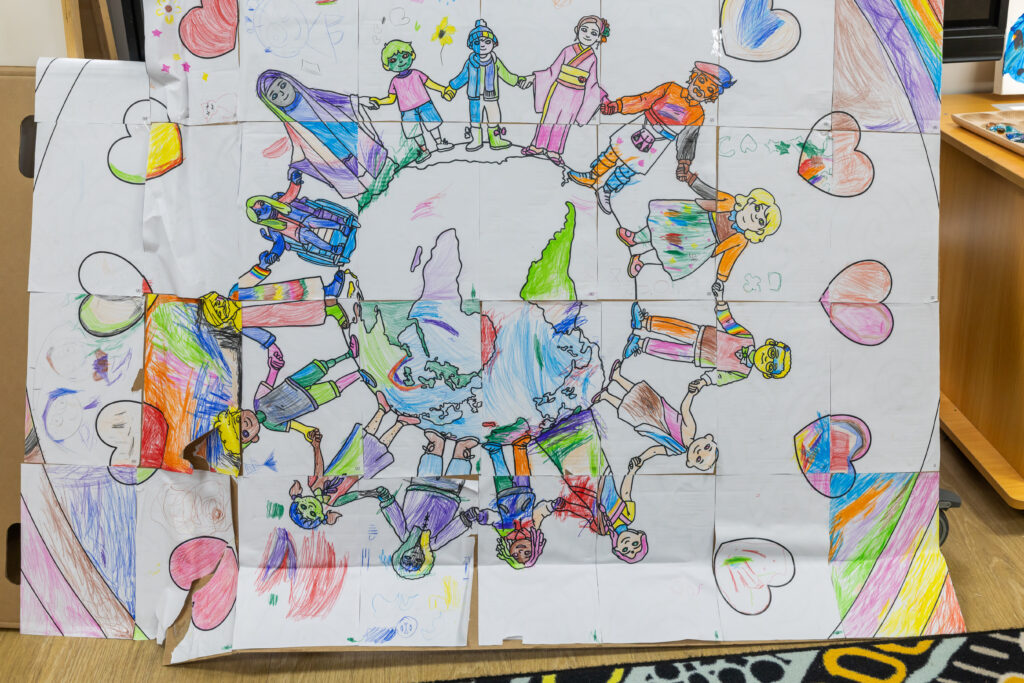
What the Research Actually Says About Settling Into Childcare, And Why It’s Worth It
Starting childcare is a big adjustment, for your child, and for you. It’s natural to wonder what’s really going on behind the scenes.
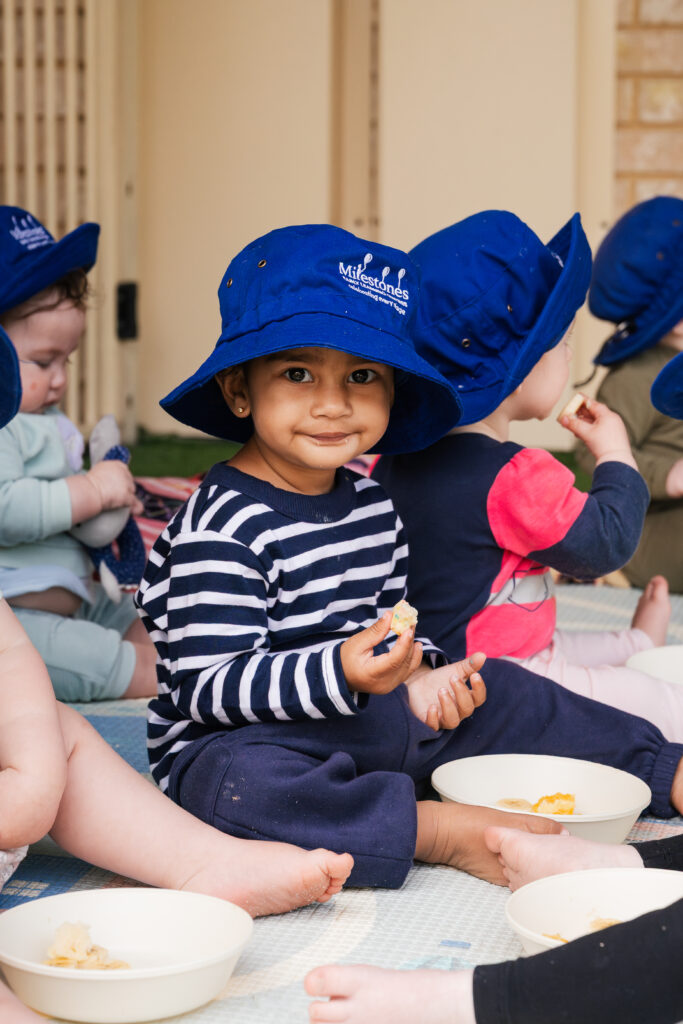
Is My Toddler Late Talking? What Parents Need to Know About Speech Development
If you’ve found yourself quietly counting your toddler’s words, or wondering how they compare to other children at the park, you’re not alone. Concerns about language development are among the most common things families share with us, and they make complete sense. Communication is so central to who we are.
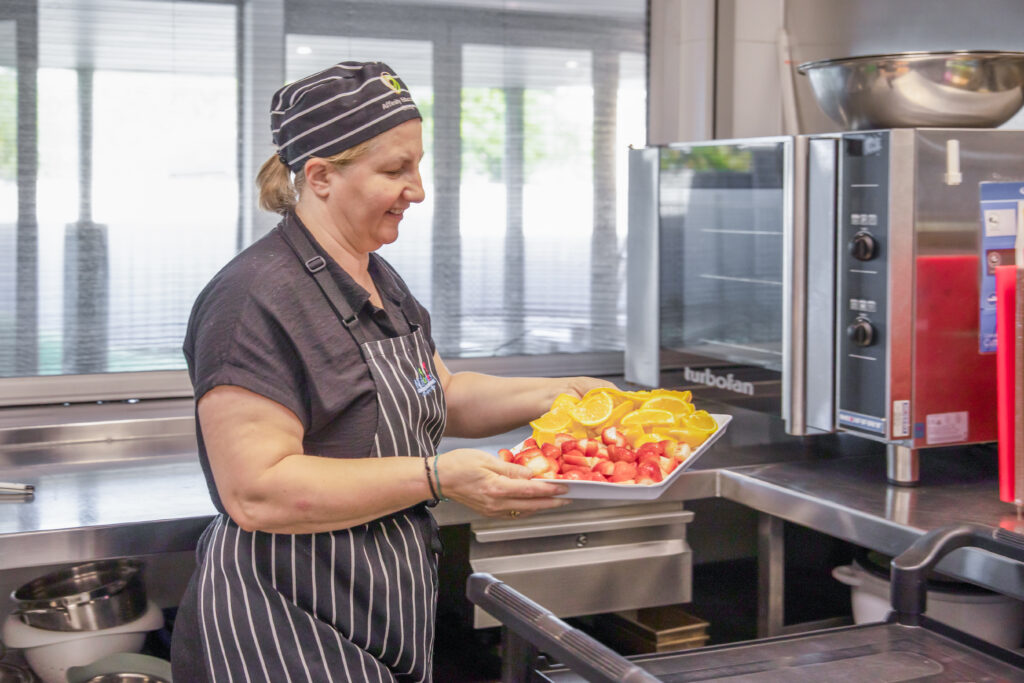
Fussy Eaters and Childcare: What’s Normal, What Helps, and How We Support Variety at the Table
If your little one pushes peas to the side of the plate, refuses what they happily ate last Tuesday, or survives entire weeks on what feels like three foods, you are in very good company. Fussy eating is one of the most common, and most exhausting, challenges of early childhood. At Milestones, it’s something our educators see and support every single day. Here’s what the experts say is actually normal, what we do at the table to gently encourage variety, and what you can try at home too.
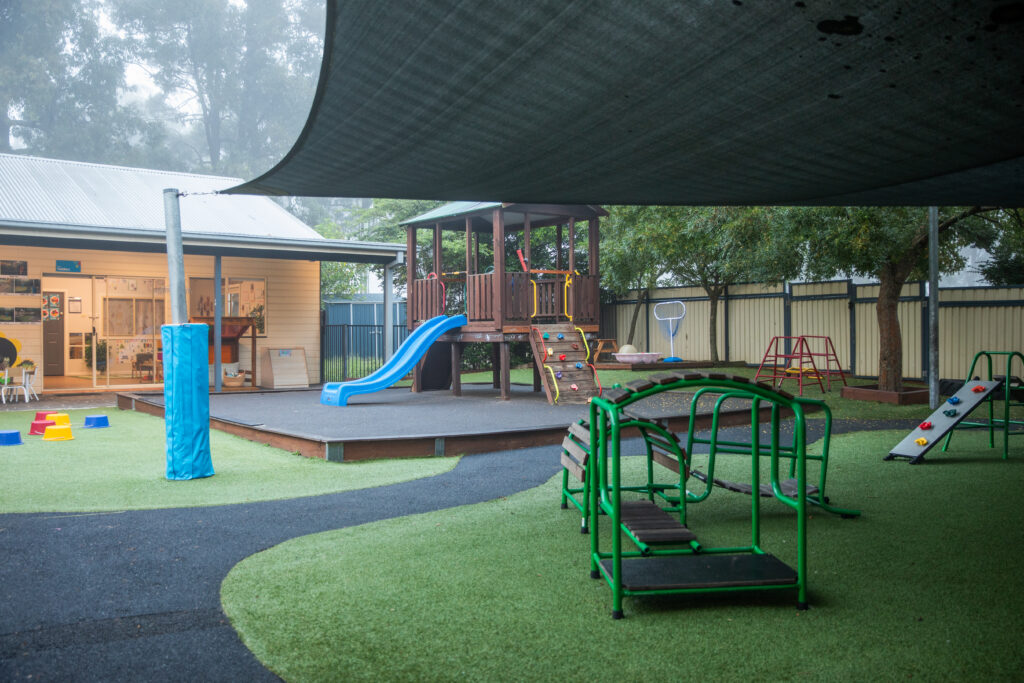
Why Risky Play Matters – The Case for Letting Children Climb, Tumble and Explore
If you’ve ever winced watching your child scramble to the top of a climbing frame, or held your breath while they negotiated a muddy bank on a bush walk, you’re not alone. The instinct to protect is one of the most natural things in the world. But there’s a growing body of research, and a strong consensus among early childhood educators, that when it comes to play, some of the most valuable experiences are the ones that involve a little bit of risk. Here’s what that actually means, why it matters for your child’s development, and how we think about it at Milestones.