


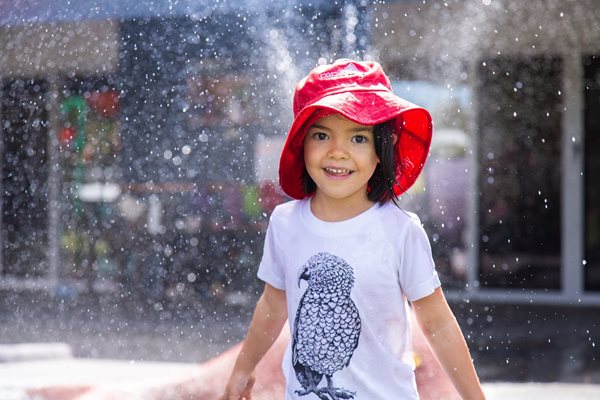

Warm weather is here, and that means more time in and around water. Backyard pools, paddling pools, beach trips and bath time become part of everyday life for many families over summer.
For toddlers and preschoolers, water is endlessly exciting. It's also one of the biggest safety risks they face. The good news is that a few simple habits make a real difference. Here's what every parent of a young child should know before the season really kicks off.
Why Water Safety Matters So Much for Under-5s
Young children are curious, quick and unaware of danger. They're drawn to water, but they don't yet understand that it can hurt them.
Drowning can happen quickly and silently, even in a few centimetres of water. There's often no splashing or calling out, which is why it can go unnoticed.
According to Royal Life Saving's 2026 National Drowning Report, 11 children under five drowned in Australia in 2025/26. That's 39% below the 10-year average, which is encouraging. But more than half of those deaths (55%) happened in backyard swimming pools.
The message is clear - most toddler drownings happen close to home, and most can be prevented.
Practical Water Safety Tips for Families of Young Children
Stay within arm's reach
Active supervision is the most important thing you can do. Royal Life Saving describes it as giving your child your full attention whenever they're in, on or near water.
That means staying close enough to reach out and grab them, and being ready to get in the water if you need to. Phones, chores and quick chats all pull your attention away. If you need to step away, even for a moment, take your child with you.
Older brothers and sisters shouldn't be left in charge either. Watching a toddler around water is a job for an adult.
Check your pool fence and gate before summer
A pool fence is your back-up if supervision slips. Before the season starts, take a few minutes to check:
- The gate closes and latches by itself every time
- Nothing is propping the gate open
- There are no gaps, broken panels or loose palings
- Chairs, pot plants, toys and barbecues aren't close enough for a child to climb
When you're supervising in the pool area, stay inside the fence with your child. Kidsafe has a pool safety checklist that makes this easy. Fencing rules vary between states and territories, so check with your local council if you're unsure what applies to you.
Don't forget the paddling pool
Inflatable and portable pools are a summer favourite, but they're easy to overlook. Under state and territory laws, pools that can hold more than 30cm of water generally need a compliant safety fence, just like a permanent pool.
Smaller paddling pools should be emptied straight after use and stored where they can't collect rainwater.
Look for hidden water hazards around the home
Pools get most of the attention, but everyday items can be risky too. Keep an eye on:
- Baths and sinks (empty them straight after use)
- Buckets and nappy buckets (keep lids on and store them out of reach)
- Ponds, water features and birdbaths
- Water tanks
- Pet water bowls
Bath time needs your full attention too. Raising Children Network recommends supervising children in the bath until around five years old, even if older siblings are in there with them.
Make a plan for parties, holidays and visits
Summer brings barbecues, Christmas get-togethers and trips away. These busy times can make supervision harder, because everyone assumes someone else is watching.
One simple fix is to agree on one adult who is the designated water watcher, and take turns in shifts. Make the handover clear so there's never a gap.
When you're staying somewhere new, check for water hazards as soon as you arrive. Holiday houses, caravan parks and family homes might have pools, spas or dams you're not used to.
If your child ever goes missing, check any nearby water first.
Swimming lessons help, but they don't replace supervision
Water familiarisation classes are a great way to build your child's confidence. Classes for babies and toddlers (around 6 to 36 months) focus on basics like moving in the water, getting their face wet and blowing bubbles. Water confidence classes for three to five year olds build on these skills.
But even a child who can swim can still drown. Lessons are one layer of protection, not a reason to relax.
Check if you can get help with the cost of lessons
Some state and territory governments help families with the cost of swimming lessons for young children. Here's what's available at the time of writing:
- Queensland: The Play On! Learn to Swim program offers vouchers of up to $150 for children aged 0 to 4.
- Northern Territory: Children under five who aren't yet at school can get two $100 Learn to Swim vouchers each year, one in January and one in July.
- Victoria: The VICSWIM Summer Kidz program runs low-cost lessons each January for children aged four and up.
Programs and eligibility change often, so check the official page before you book. Your local swim school or council pool can also tell you which vouchers they accept.
Learn CPR
Knowing CPR can save a life. If a child is in or near water and isn't breathing or responding, call Triple Zero (000) and start CPR straight away.
Courses are run by organisations such as Royal Life Saving, St John Ambulance and Australian Red Cross. Refreshing your skills regularly helps you stay confident if you ever need them.
Talk about water rules together
Even young children can start learning simple water rules. Try phrases like:
- "We only go near water with a grown-up."
- "We walk, not run, around the pool."
- "We wait for a grown-up before we get in."
Keep it positive and repeat it often. Little ones learn best through gentle, everyday reminders.
Water Play and Learning at Milestones
Water play is a big part of childhood, and it's full of learning. Pouring, splashing and watching how water moves helps children build early maths and science thinking, coordination and confidence. You can read more in our post on the benefits of water play for toddlers.
Summer is also a good time to brush up on sun safety. Our tips for staying sun safe this season are a handy companion to this post.
If you have questions about water play or summer routines at your centre, have a chat with your child's educators. We're always happy to help.
Summer should be about splashing, sandcastles and lots of fun. With a few simple habits in place, your little one can enjoy the water safely all season long.