



If your little one pushes peas to the side of the plate, refuses what they happily ate last Tuesday, or survives entire weeks on what feels like three foods, you are in very good company. Fussy eating is one of the most common, and most exhausting, challenges of early childhood. At Milestones, it's something our educators see and support every single day. Here's what the experts say is actually normal, what we do at the table to gently encourage variety, and what you can try at home too.
First, let's talk about what's normal
Fussy eating typically peaks between the ages of two and six, right in the thick of the childcare years. Developmentally, this isn't about being difficult. It's a sign that children are asserting independence and, from an evolutionary standpoint, becoming more cautious about unfamiliar foods. This phase is called food neophobia - a fear of new foods - and it's a completely typical part of early childhood development.
According to the Australian Institute of Family Studies, most children will go through at least one period of selective eating before they start school. What looks like stubbornness is often just a normal developmental stage, and it almost always passes with time and consistent, low-pressure exposure.
A few things that are completely normal:
- Refusing a food they previously loved
- Eating very different amounts from one day to the next
- Wanting the same foods repeated, prepared in the same way
- Being suspicious of foods that touch each other on the plate
- Taking many exposures to a new food before accepting it (research suggests up to 15-20 tries)
When fussy eating starts to worry parents at drop-off
One of the things we hear most from families at Milestones is: "She eats fine at home, but I'm worried she won't eat anything at daycare", or the reverse, "He eats so well here and nothing at home."
Both are common, and both are completely normal.
Children often eat differently in group settings than they do at home. The social experience of eating with peers - watching other children eat, sharing the ritual of mealtimes, eating in a calm and structured environment - can actually encourage children to try foods they'd flat-out refuse on the lounge room floor.
If your child doesn't finish their meals in the first few weeks of starting care, try not to read too much into it. Settling takes energy, and appetite often reflects how a child is feeling emotionally as much as physically. Our educators keep a close eye on what children are eating and will always let you know if something seems worth a conversation.
What we do at mealtimes to support variety
At Milestones, we believe mealtimes are about so much more than eating. They're opportunities to build relationships, develop language, explore textures and flavours, and feel safe, and that shapes how we approach the table every day.
Here's what that looks like in practice:
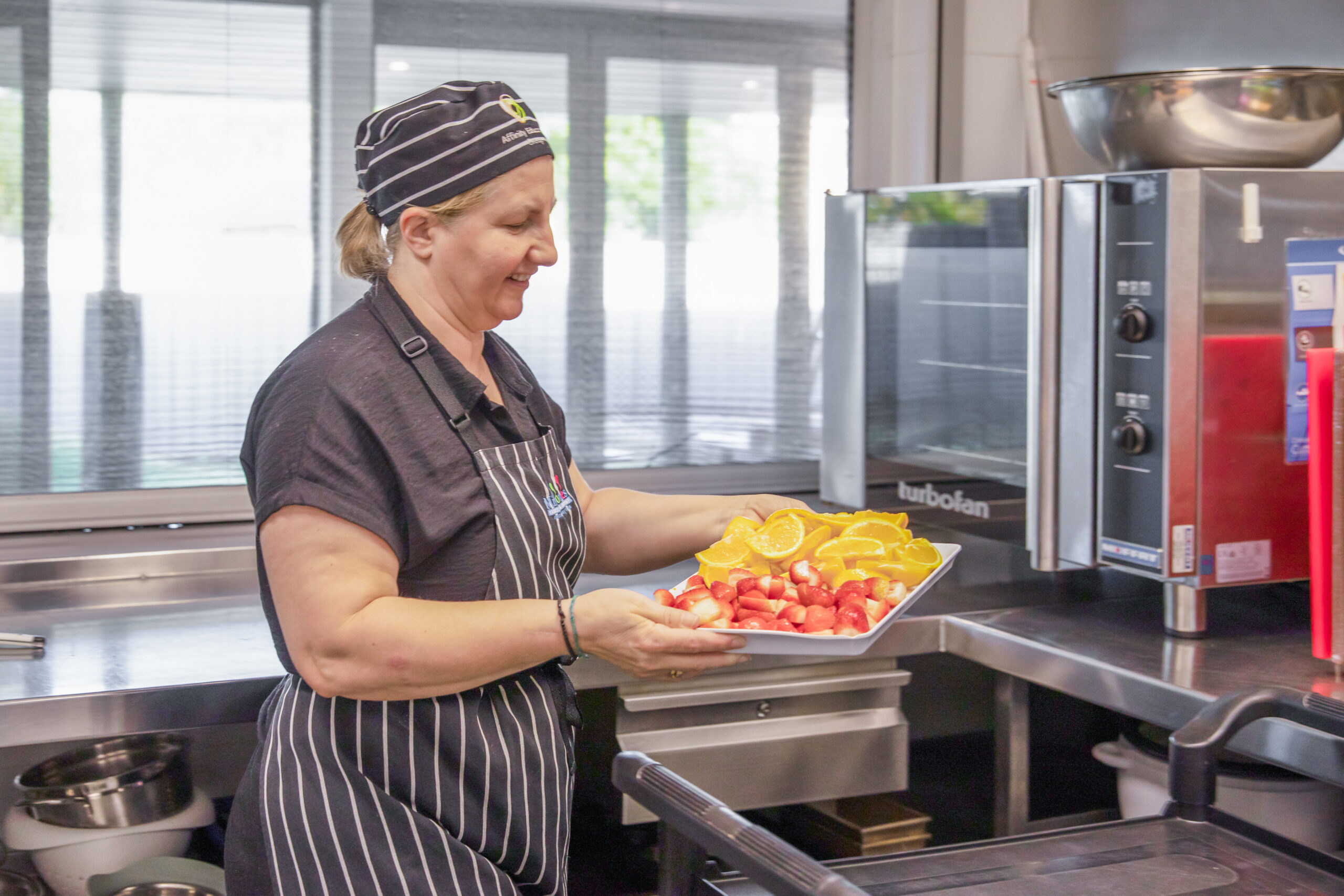
Fresh food, cooked on-site. Our centres prepare fresh meals on-site daily, which means children are eating food that smells good, looks appealing, and hasn't spent hours in transit. The sensory experience of a warm meal matters more than most of us realise.
Repeated, low-pressure exposure. We serve a wide variety of vegetables, proteins, and grains across our menus, not because we expect every child to eat everything, but because repeated exposure is one of the most evidence-supported ways to expand a child's palate over time. A child who picks the corn out of a vegetable stir fry this week might try the capsicum in three months. We don't push, but we keep offering.
Eating together. Our educators sit and eat with children at mealtimes, not just supervise. Watching a trusted adult eat the same food is one of the most effective ways to encourage children to try something new. It's called modelling, and it works.
No pressure, no bribing. We don't use phrases like "just one more bite" or offer dessert as a reward for finishing vegetables. The research is clear that pressure at mealtimes, even well-meaning pressure, tends to make fussy eating worse over time. Our approach is to offer, encourage, and let children lead.
Talking about food. Educators regularly weave food conversations into the day - what colours we can see on the plate, where vegetables grow, what something might taste like before we try it. Building positive associations with food outside of mealtimes helps reduce anxiety around it at the table.
Practical tips for home
If mealtimes at home feel like a battle, here are a few approaches that the research consistently supports:
Serve new foods alongside familiar ones. A plate that includes one new food next to two or three things your child reliably eats feels less threatening than a plate full of the unfamiliar.
Keep portion sizes small. A teaspoon of something new is far less daunting than a full serving. The goal is exposure, not consumption.
Involve them in food preparation. Children who help wash vegetables, tear herbs, or stir ingredients are more likely to try the end result. Even toddlers can participate in simple ways.
Avoid the "short order cook" trap. It's incredibly tempting to make an alternative when something is refused, but doing this consistently can entrench selective eating over time. Offer one meal, keep it low-key, and let your child decide how much of it they eat.
Take the long view. Fussy eating research consistently shows that repeated, relaxed exposure over months, not weeks, is what makes the difference. If a food is rejected today, offer it again in a few weeks without comment.
Talk to your child's educators. We're with your child at mealtimes every day. If you're concerned about what they're eating, or want to know more about what they're actually accepting at care, just ask. We love these conversations, and we'll always be honest with you.
When to speak to your GP or child health nurse
Most fussy eating is developmental and resolves with time and consistent low-pressure exposure. However, there are some signs that it's worth getting professional input:
- Your child is losing weight or not growing as expected
- They are distressed around food beyond typical mealtime resistance
- They gag or vomit frequently when presented with new foods or textures
- Their food range is extremely limited, fewer than 20 foods, and is shrinking rather than growing
- You suspect a sensory processing difference may be involved
Your child's GP or maternal and child health nurse is a great first point of contact and can refer you to a paediatric dietitian or feeding therapist if needed.
You don't have to figure this out alone
Fussy eating is genuinely hard, especially when you're already managing work, sleep deprivation, and the general relentlessness of early parenthood. At Milestones, we see it as part of our role to support families through this phase, not just at mealtimes but in the conversations before and after care too.
If you'd like to talk to your child's room leader about what they're eating, how they're approaching mealtimes, or what we're seeing day to day, please reach out. And if you're looking for a centre that takes food seriously, from fresh on-site cooking to relaxed, evidence-led mealtimes, we'd love to show you around.