


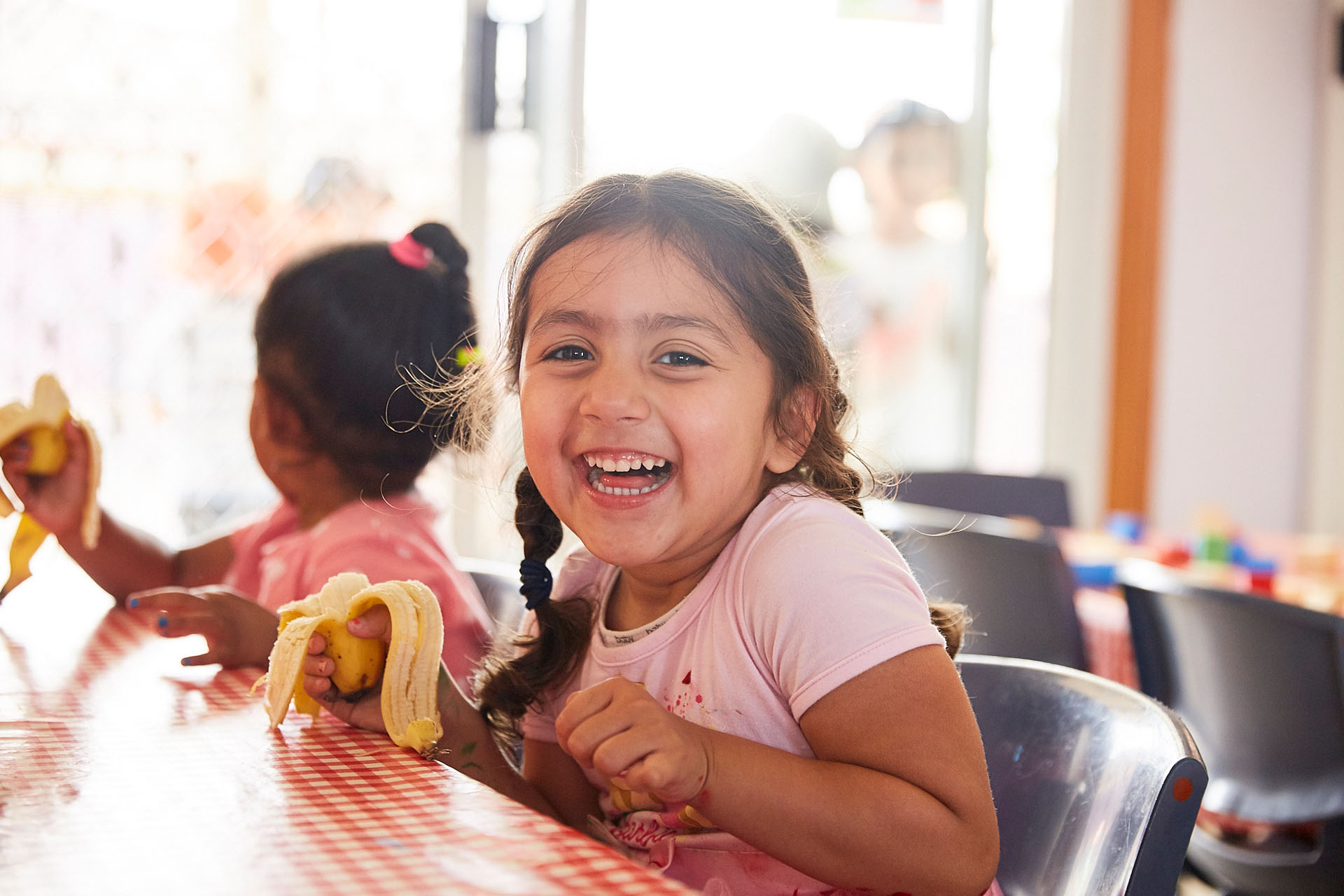

"Three more bites." "Just try it." "You can't have dessert until you finish your vegetables."
If any of that sounds familiar, you're not alone, and you're not doing anything wrong. Mealtime battles are one of the most common things parents ask us about, and it turns out the instinct to push a little harder is usually the thing working against us.
Why pressure backfires
It feels counterintuitive, but the research is consistent: pushing, bribing or insisting a child finish their food tends to make them more resistant to it, not less. According to Raising Children Network, children's willingness to try food depends heavily on the eating environment, and pleasant, low-stress mealtimes help far more than encouragement or pressure ever does.
It's also worth remembering that a child's appetite naturally goes up and down. Growth spurts, activity levels, tiredness and even mood all affect how much a child wants to eat on any given day. A toddler who devours dinner on Monday and barely touches it on Tuesday isn't being difficult, they're doing exactly what's developmentally normal.
What this looks like at Milestones
We're not chasing empty plates. At mealtimes, our educators focus on:
- Offering, not insisting - food is presented without pressure to finish it, and children are encouraged to listen to their own hunger and fullness cues
- Eating together - group mealtimes, where educators sit and eat alongside children, help make food a social, calm experience rather than a performance
- Letting children serve themselves where possible - passing bowls, choosing portions and helping themselves builds confidence and reduces resistance
- Staying relaxed about mess and mistakes - spilled water and dropped peas aren't a big deal, a calm response keeps the table a comfortable place to be
None of this means "anything goes." Our menus are still planned to meet children's nutritional needs - it's the approach to mealtimes that's pressure-free, not the standard of food on offer.
Our new Spring menu, built the same way
It's timely, too - spring is when a lot of families start searching for mealtime help, as routines shift with the warmer weather and National Nutrition Week (12-18 October) puts a national spotlight on positive food experiences for children.
Our new Spring menu, developed with nutrition partners The Biting Truth and Woolworths@Work, reflects the same philosophy. A number of dishes are built around choice rather than a fixed plate, like our Build Your Own Burrito Bowls, where children select their own fillings, or share-style veggie dippers with hummus that let kids decide how much (or how little) to try.
It's a small shift, but it matters: when children have some control over what and how much they eat, mealtimes tend to be calmer for everyone at the table, at our centres, and at home.
A few things to try at home
- Put food in the middle of the table and let your child serve themselves, even if portions look unusual at first
- Avoid commenting on what they have or haven't eaten - try to let the meal speak for itself
- Keep offering variety, even if a food gets refused several times in a row - familiarity often builds over repeated, pressure-free exposure
- Judge intake across a few days rather than a single meal
If mealtimes at home have been a source of stress, you're not alone, and it's not a sign you're doing anything wrong. If you'd like ideas specific to your child, it's always worth a chat with their educator - they see your child eat every day and can share what's working in the room.
Curious about the nutrition thinking behind our menus? Visit our Healthy Menu & Nutrition page. And if fussy eating is the bigger issue at your place right now, we've written more on what's normal and what helps.